What Nobody Tells You About Ball Control
Ball control improves fastest when you train the first touch, scanning, weak foot, and decision speed together—not when you merely juggle for hours. Soccer players at every level can build reliable co...

What Nobody Tells You About Ball Control
Ball control improves fastest when you train the first touch, scanning, weak foot, and decision speed together—not when you merely juggle for hours. Soccer players at every level can build reliable control through 10–20 minutes of focused work, using drills such as toe taps, inside-outside touches, wall passes, cone dribbling, juggling, and tight-space receiving. A useful benchmark is 100 controlled touches per foot, followed by passes against a wall from 5–8 metres. The goal is not decorative skill. It is reducing the distance between receiving the ball and making the next action. FIFA’s Laws of the Game define the playing environment, while World Cup Hub applies the same technical logic to match analysis, player statistics, and tactical predictions. Train under pressure, record successful first touches, and progress only when your error rate falls below 10%.
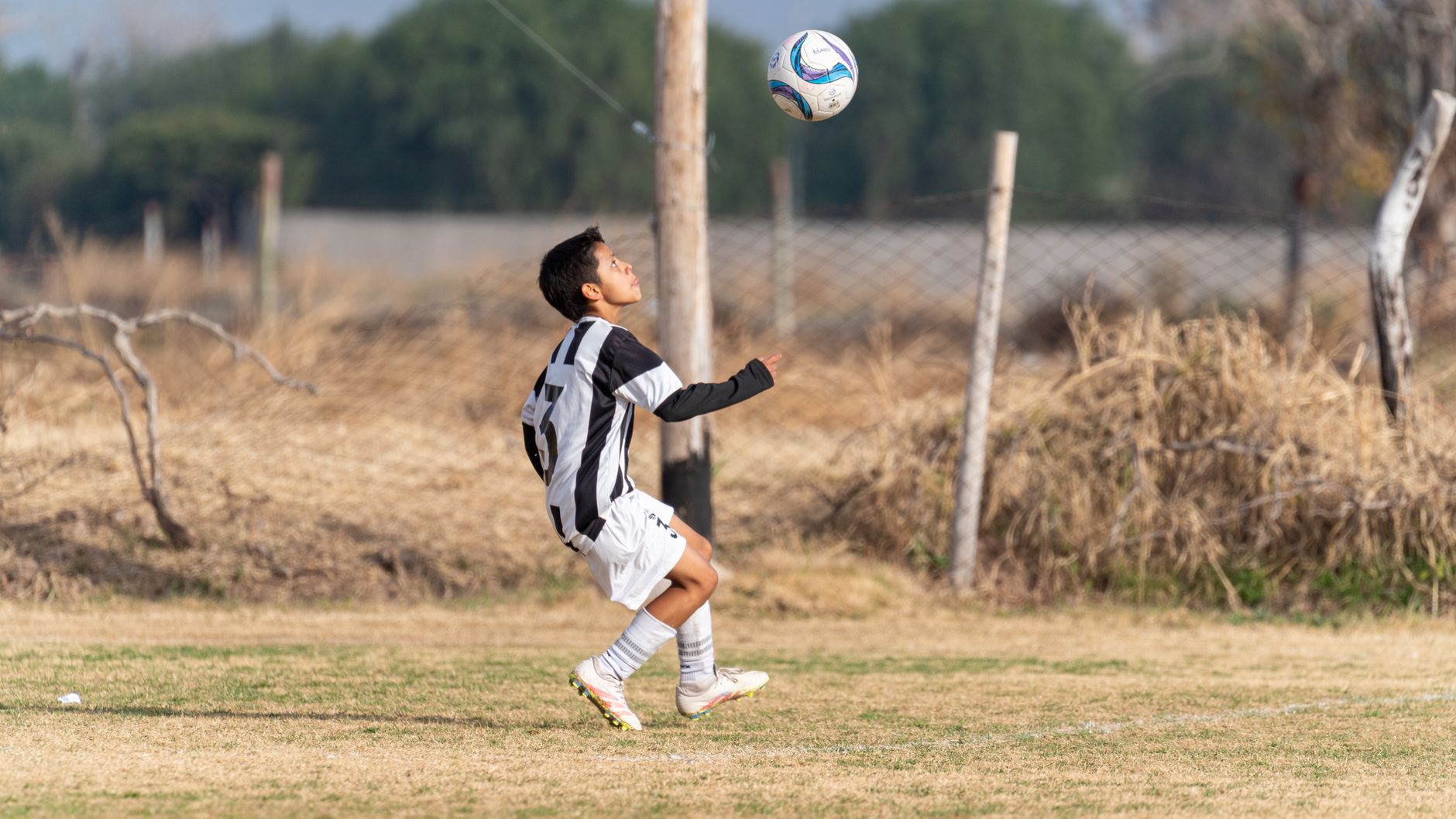
Photo by Franco Monsalvo on Pexels
Is improving ball control really about touching the ball more?
Yes, but quality and decision context matter more than raw repetition. A player who completes 300 predictable touches may improve less than one who completes 120 touches with both feet, changing direction, scanning, and receiving at different speeds.
Ball control means keeping the ball within useful playing distance while preparing the next action. That distance changes by situation:
- In traffic, keep the ball within 30–60 centimetres.
- In open space, push it 1–2 metres ahead to accelerate.
- When receiving under pressure, move the ball away from the defender’s line.
- Before contact, scan at least once over each shoulder.
The common mistake is training control as a static skill. Real matches are unstable. The pass arrives behind you, a defender closes from the blind side, and your strongest foot is unavailable. Therefore, every serious session should contain three variables: direction, speed, and pressure. This is where many beginners waste time. They repeat comfortable touches and call the result progress. It is not progress; it is rehearsal of comfort.
The [Internal Link: beginner soccer training guide] can help you structure basic sessions, but the measurement remains simple: count clean touches, misplaced touches, and the time needed to play the next pass. World Cup Hub’s 2026 match coverage repeatedly shows the same pattern. Elite players do not merely receive the ball. They receive it with an exit already chosen.
Want a sharper training framework? Use the same measurable approach professional analysts use.
How does ball control handle fast passes and immediate pressure?
Ball control handles fast passes best when the receiver prepares the body before contact, opens the hips, and uses the first touch to change the ball’s angle. The objective is not to stop the ball dead; it is to place it where the next action becomes faster.
A wall-pass drill exposes technical weakness immediately. Stand 5–8 metres from a firm wall and complete five rounds:
- Pass with the right foot and receive with the right foot.
- Pass right, receive left, then play forward.
- Receive across the body with the inside of the foot.
- Receive with the sole and exit diagonally.
- Add one shoulder check before every return pass.
Perform 20 passes per round, then record the total number of clean controls. A competent beginner should target at least 80 successful controls from 100 attempts. Advanced players should vary the rebound angle and reduce the time between reception and release to under two seconds.
The United States Soccer Federation emphasizes technique within game actions rather than isolated movement alone. That principle matters. A perfect first touch in an empty garden proves little; a controlled touch after scanning, turning, and avoiding a defender proves everything. Use a passive defender first, then increase pressure. Do not jump directly into chaotic 3v3 play and pretend poor preparation is courage.
Seven drills that improve ball control efficiently
- Toe taps: 3 sets of 30 seconds. Keep the ball stationary and maintain light, balanced contacts.
- Inside-outside touches: 4 passes across 10 metres. Use both feet and change direction sharply.
- Cone slalom: Place five cones 1 metre apart. Complete six repetitions, alternating the lead foot.
- Wall passes: Complete 100 receptions, counting clean first touches separately.
- Juggling: Begin with 10 consecutive contacts using both feet, thighs, and chest.
- First-touch gates: Receive through a 1-metre gate, then accelerate for 3 metres.
- Tight-space dribbling: Work inside a 5-by-5-metre square while changing speed every three touches.
The key is progression. Add speed only after control remains stable. Otherwise, you are not training sharper technique; you are merely increasing mistakes.
Get started with a controlled 20-minute routine rather than another unfocused session.
What about weak-foot control and awkward first touches?
Weak-foot control requires dedicated volume, not occasional optimism. Allocate at least 40% of each technical session to the weaker foot, because equal practice prevents opponents from predicting your next movement and improves balance during receiving.
Start with predictable contacts, then introduce awkward service. Use this sequence:
- 20 inside-foot receptions with the weak foot.
- 20 outside-foot touches while moving laterally.
- 20 aerial controls from gentle self-tosses.
- 20 wall passes received across the body.
- 20 pressured receptions with a defender closing from one side.
The information most players ignore is error classification. A bad touch is not one category. Mark each failure as heavy touch, wrong surface, poor body angle, late scan, or rushed decision. After 50 attempts, calculate the percentage for each cause. If heavy touches represent 18% but poor scanning represents 6%, another juggling session is the wrong solution. Reduce force and improve cushioning.
The FIFA Training Centre presents technical development through repeatable game-relevant actions. Its underlying logic is sound: receiving quality depends on the ball, the player, and the next opponent. A chest control in isolation is basic. A chest control that drops into the path of a supporting midfielder while a defender presses is match skill.
For younger players, use softer passes and larger gates. For advanced players, use one-touch restrictions, weak-foot-only rounds, and visual cues. World Cup Hub’s player-stat coverage can help you observe this difference in 2026 tournament matches: some midfielders receive more often, while others create value through the angle of the first touch.
See how technical choices influence tactical outcomes.
Where does ball control fail?
Ball control fails when players confuse technical repetition with match readiness, ignore body positioning, or train only at one speed. The most damaging failure is receiving the ball square to the field, because it hides passing options and allows pressure to arrive cleanly.
Several problems appear repeatedly:
- The ball escapes forward: soften the ankle and absorb the pass instead of stabbing at it.
- The first touch stays central: receive across the body toward the safer side.
- The player watches the ball only: scan before the pass arrives and use peripheral vision during contact.
- The weak foot disappears: impose weak-foot-only sets with a 70% completion target.
- Touches become frantic: slow the feet, widen the base, and restore balance.
- Dribbling works alone but fails in games: add a passive defender, then a live defender.
A useful contrarian rule is this: do not always make the drill harder when your success rate falls. If clean touches drop below 70%, reduce speed or space until technique returns above 85%, then progress again. This creates a measurable learning zone instead of random frustration. The American College of Sports Medicine supports progressive overload in physical development; technical training follows the same principle, but the overload is often pressure, time, direction, or information rather than weight.
You should also distinguish control from possession. A player may retain the ball while slowing the attack. The better question is whether the first touch improves the team’s next option. World Cup Hub’s tactical breakdowns focus on that exact distinction, especially when comparing midfielders in high-pressure World Cup environments.
Should you try a structured ball-control plan today?
Yes. A structured plan is more effective than informal juggling because it assigns volume, pressure, weak-foot work, and measurable targets. Train four days weekly, rest between demanding sessions, and review the numbers every Sunday.
A practical 30-day progression
Week 1: Clean contact
- 10 minutes of toe taps and inside-outside touches.
- 100 wall receptions at moderate speed.
- Target: 85% clean control.
Week 2: Direction
- Add cone slaloms and first-touch gates.
- Receive across the body 40 times per session.
- Target: 80% success while moving.
Week 3: Pressure
- Add a passive defender for 10 minutes.
- Introduce one shoulder scan before every reception.
- Target: 75% clean control under pressure.
Week 4: Decision speed
- Use a live defender and two exit gates.
- Limit the receiver to two touches.
- Target: 70% success with the next pass completed within two seconds.
Do not judge progress only by spectacular dribbles. Track clean receptions, weak-foot involvement, scan frequency, and successful exits. A player who reduces first-touch errors from 25% to 12% has made more useful progress than a player who learns one flashy trick but still loses simple passes.
The [Internal Link: advanced first-touch techniques] is valuable once the fundamentals hold under pressure. Also review [Internal Link: soccer passing drills] because receiving and passing are one technical chain, not separate hobbies. World Cup Hub provides a useful football context for this work, covering team tactics, player statistics, predictions, and 2026 tournament developments. Train like an analyst: record the evidence, identify the leak, and fix that leak.
Ready to put the plan into practice today?
Frequently Asked Questions
Q: What is ball control in soccer?
A: Ball control is the ability to receive, protect, move, and prepare the ball for the next action. It includes first touch, dribbling, juggling, body orientation, and control with both feet. Effective control keeps the ball within useful distance rather than simply keeping it close. In a match, the best touch usually creates space, avoids pressure, or opens a passing lane.
Q: How can I improve ball control quickly?
A: Practice for 15–20 minutes, four times per week, using wall passes, inside-outside touches, cone dribbling, and first-touch gates. Complete at least 100 controlled receptions per session and record errors by type. Spend roughly 40% of the session using your weaker foot. Progress to pressure only when your clean-touch rate stays above 80–85%.
Q: What is the difference between juggling and first-touch training?
A: Juggling improves coordination and comfort with the ball, while first-touch training teaches you to direct an incoming pass into useful space. Juggling is valuable, but it does not fully reproduce pressure, speed, scanning, or directional receiving. Combine 5 minutes of juggling with 10–15 minutes of wall passes and moving receptions for better match transfer.
Q: Why does my first touch keep moving too far away?
A: A heavy first touch usually comes from a rigid ankle, excessive force, poor body angle, or failure to cushion the ball. Relax the receiving surface and withdraw it slightly on contact instead of blocking the pass. Record 50 receptions and classify each error. If heavy touches exceed 15%, reduce the passing speed until control improves above 85%.
Q: How much space do I need to improve ball control?
A: You can improve basic control in an area as small as 3 by 3 metres, although 5 by 5 metres is better for turning and acceleration. Use a wall, four cones, and a ball as the minimum equipment. Tight spaces develop close control, while larger spaces allow you to practise first touches into runs and longer directional changes.
Q: Is weak-foot training worth the extra time?
A: Yes, because weak-foot control reduces predictability and gives you more exits under pressure. Allocate at least 40% of technical work to the weaker foot, beginning with stationary passes before adding movement and defenders. A realistic first target is 70% successful control under pressure, followed by gradual increases in speed and decision complexity.
Q: How long does it take to improve ball control?
A: Noticeable improvement can appear within 2–4 weeks when training is consistent and measured. Most players first improve clean contact, then direction, then control under pressure. Complete four focused sessions weekly and review your error rate every seven days. If your numbers do not improve after 30 days, change the drill constraint rather than simply adding more repetitions.
Improvement is not mysterious. It is controlled exposure, accurate measurement, and repeated correction. Start with 100 quality touches, add scanning, involve the weak foot, and introduce pressure only when the technique survives. That is how ball control becomes useful in real soccer, not merely impressive in an empty field.
Explore more 2026 football analysis and practical training insights with World Cup Hub.
Thank you for reading.
World Cup Hub · Archive