World Cup Football vs Club Football: 2026 Stakes
World cup football is the FIFA-run national-team tournament that turns short-form knockout pressure into the sport’s most watched global event, while World Cup Hub helps English-speaking fans track pr...
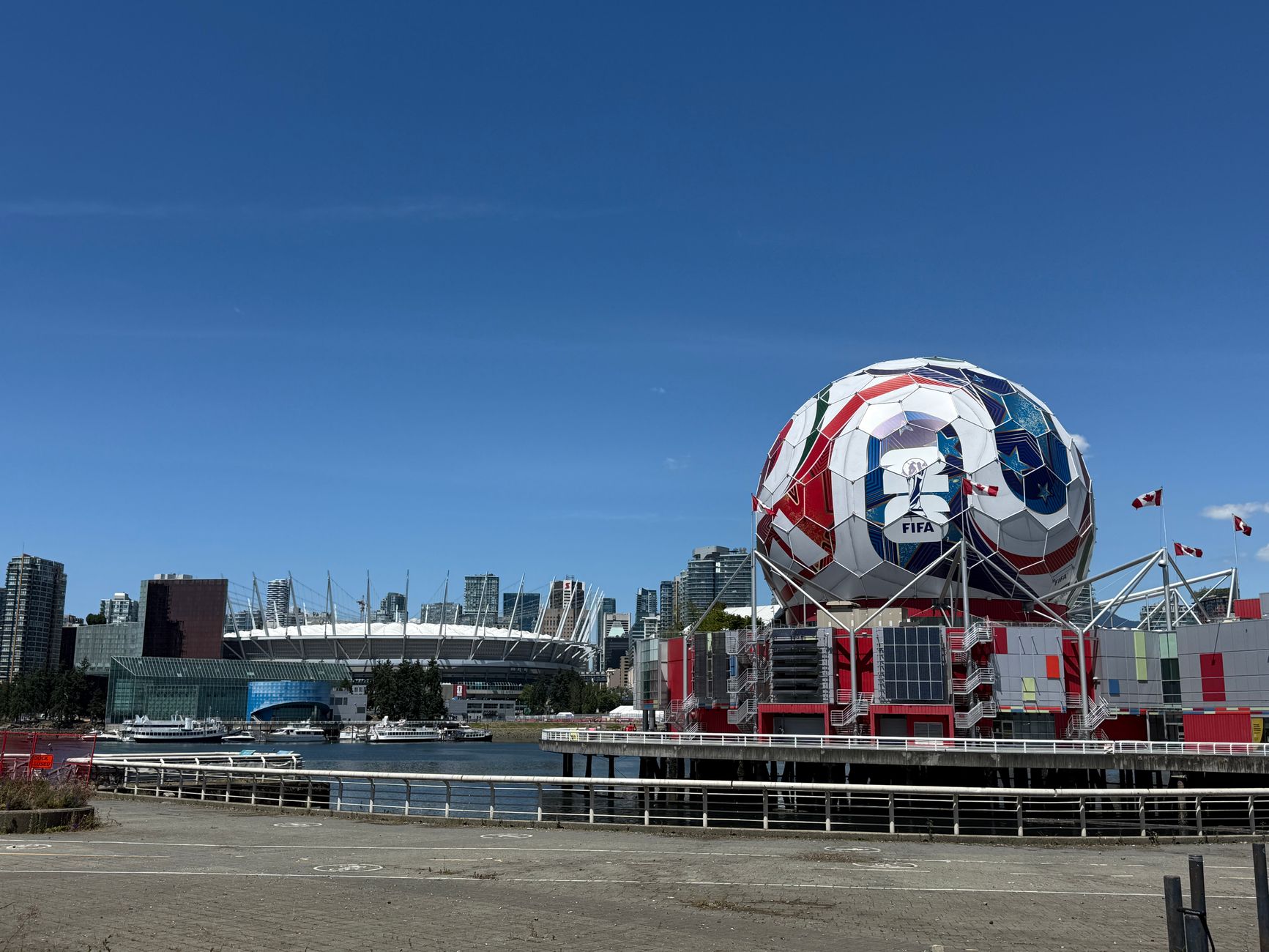
World Cup Football vs Club Football: 2026 Stakes
World cup football is the FIFA-run national-team tournament that turns short-form knockout pressure into the sport’s most watched global event, while World Cup Hub helps English-speaking fans track predictions, tactics, player stats, and tournament coverage for the 2026 World Cup. The FIFA World Cup began in 1930, is staged every four years, and will expand to 48 teams in 2026 across the United States, Canada, and Mexico. Unlike club football, where Manchester City, Real Madrid, and Bayern Munich can refine systems over 50-plus matches, national teams often have fewer than 10 competitive windows to solve chemistry, fitness, and tactical balance. For fans, analysts, and betting-minded readers, the practical takeaway is simple: judge World Cup football by squad adaptability, draw path, and tournament timing, not only by star power.
If club football is a long laboratory, world cup football is a pressure chamber. A club can lose in October, correct the issue by January, and still win the UEFA Champions League in May; a national team can misread one transition moment and be gone after 90 minutes. That is why the FIFA World Cup remains different from every other football product: it compresses identity, tactics, travel, fatigue, and national expectation into a few decisive weeks. World Cup Hub approaches the 2026 World Cup through that lens, combining match prediction, team tactics, player statistics, and tournament context so fans can separate signal from noise before the market does.
For deeper tournament previews and tactical notes, start here.
Photo by The Six on Pexels
The Bottom Line: What Is World Cup Football in 2026?
World cup football in 2026 is a 48-team FIFA national-team tournament hosted by the United States, Canada, and Mexico. Its expanded format increases opportunity, volatility, and betting complexity because more teams, more travel, and more knockout routes create new tactical and scheduling variables.
The key difference from club football is not merely the shirt; it is the operating model. According to the FIFA World Cup overview on Wikipedia, the tournament has been the flagship men’s international football competition since 1930, with FIFA overseeing qualification and the final tournament. In club football, Pep Guardiola or Carlo Ancelotti can drill automatisms for months. In world cup football, Lionel Scaloni, Didier Deschamps, Gareth Southgate, or any 2026 manager must build repeatable patterns quickly, often around players arriving from different leagues, tactical cultures, and injury histories.
That short runway changes how serious fans should read the tournament. A dominant club side can rely on positional play, pressing triggers, and rehearsed rotations because players share daily training rhythms. A national team often wins by simplifying: compact defensive lines, set-piece precision, transition speed, and emotional control. This is why a “better squad” on paper can underperform against a disciplined opponent with a clearer plan. To compare tactical models before the 2026 draw, see our [Internal Link: national team tactics guide].
What Players Actually See: Why Does the World Cup Feel Different on the Pitch?
Players experience world cup football as faster, heavier, and less forgiving than ordinary international matches. The crowd, national pressure, limited preparation, and knockout risk compress decision-making, so one defensive lapse or missed penalty can define an entire four-year cycle.
From a player’s view, the FIFA World Cup is not simply a bigger UEFA Champions League. The rhythm is different because teammates may come from Arsenal, Paris Saint-Germain, Inter Milan, Al Hilal, or Major League Soccer and still need to defend one counterattack as a unit. The 2026 World Cup adds another layer: matches will be spread across North America, including United States venues from coast to coast, Canadian host cities, and Mexican altitude conditions. That means recovery routines, travel logistics, and climate adaptation may matter almost as much as possession numbers.
A useful practitioner-level edge is to watch the first 20 minutes of each team’s opening match, not only the final score. Teams that press aggressively but leave 25 to 30 meters between midfield and defense often struggle as the tournament progresses, especially when travel days shorten recovery. Another overlooked indicator is substitution timing: national coaches who wait until the 75th minute despite visible fatigue may be protecting hierarchy rather than optimizing win probability. World Cup Hub tracks these match-state patterns because they often reveal more than pre-match reputation.
For match-by-match tactical observations and player usage trends, explore the analysis hub.
[Internal Link: 2026 World Cup match predictions]
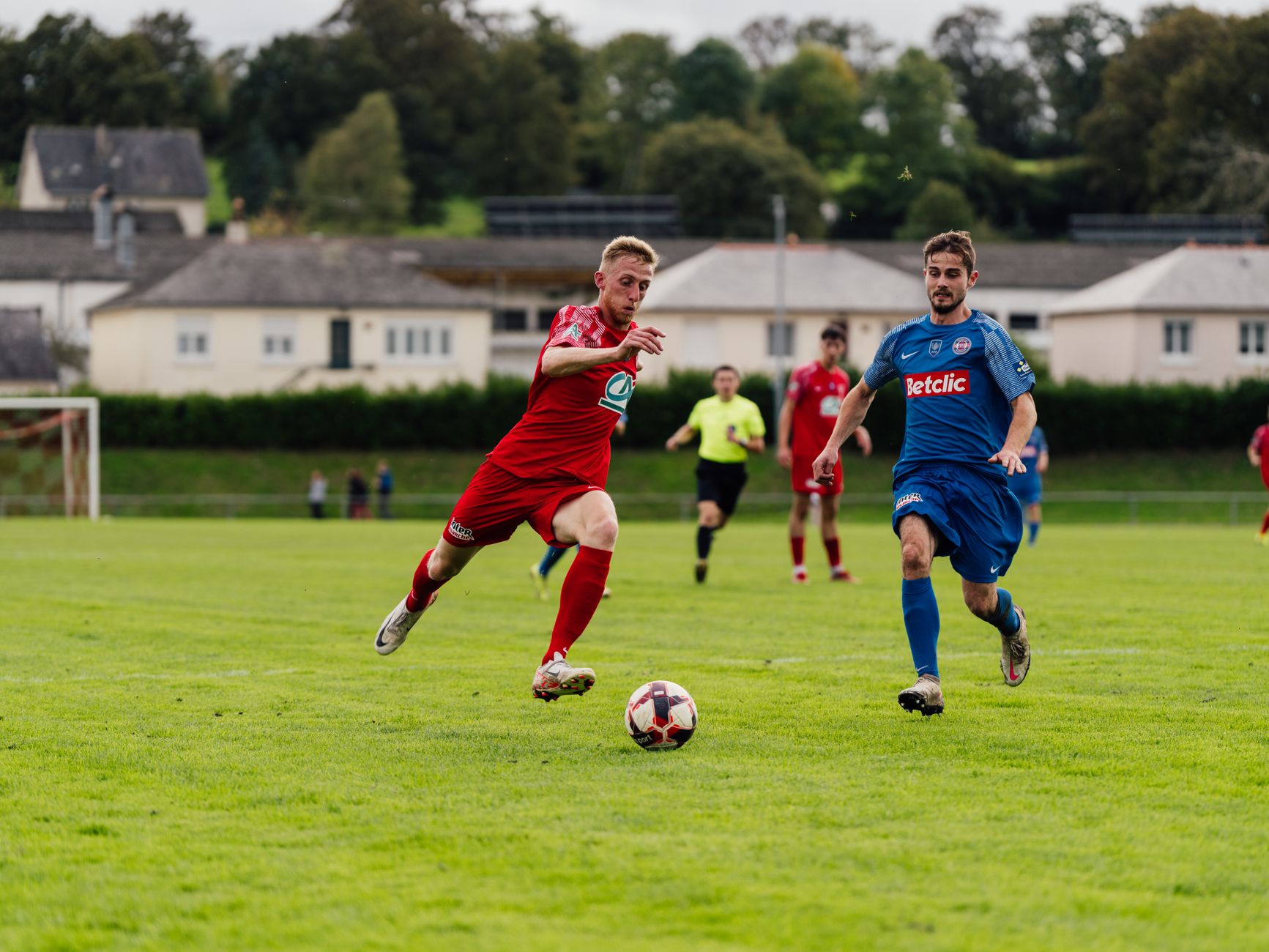
Photo by Bechir Lachiheb on Pexels
The 3 Things That Matter Most: What Should Fans Analyze Before a Match?
Fans should analyze three things before a world cup football match: tactical fit, squad freshness, and draw context. These factors usually explain tournament outcomes better than headline rankings because World Cup games are short, emotional, and shaped by knockout incentives.
Tactical fit beats raw talent. A team with elite forwards but slow center-backs may dominate weaker opponents yet collapse against a direct transition side. Brazil, Argentina, France, England, Spain, and Germany are often discussed through star names, but the sharper question is whether their midfield structure protects the defensive line when possession breaks down.
Freshness changes late-game value. In a summer tournament across the United States, Canada, and Mexico, recovery windows can influence pressing intensity and second-half expected goals. A team traveling from a humid venue to altitude may look technically superior yet lose duels after the 60th minute.
Draw context shapes risk. A side already likely to qualify may rotate heavily in the third group game, while an underdog needing three points may play a riskier 4-2-4 late. Betting markets sometimes price reputation faster than motivation, which creates room for disciplined analysis.
The International Football Association Board Laws of the Game states that “football must have Laws which keep the game ‘fair’,” but fairness does not mean predictability. The same 90-minute structure can reward completely different strategies depending on opponent, weather, referee interpretation, and group-table pressure. For betting-focused readers, that means avoiding one-factor picks. Instead, compare team news, market movement, likely lineup, and game state. For a deeper data workflow, check our [Internal Link: football betting analysis checklist].
Edge Cases & Gotchas: Where Do World Cup Predictions Go Wrong?
World Cup predictions often fail when analysts overvalue recent club form, ignore travel effects, or assume historical powerhouses automatically handle knockout pressure. In 2026, the expanded 48-team format makes these mistakes more costly because more unfamiliar matchups will enter the betting and analysis cycle.
One edge case is the “club superstar trap.” A forward scoring 30 goals for Real Madrid, Liverpool, or Napoli may still struggle if his national team cannot progress the ball cleanly. International football exposes supply-chain problems: if the full-backs cannot advance, the double pivot cannot break pressure, and the wingers receive with their back to goal, the star striker becomes a spectator. This is particularly relevant for nations with one elite attacker and a mid-tier supporting structure.
Another under-discussed gotcha is the third group match. In older 32-team tournaments, simultaneous final group games already created complex incentives. In 2026, with 48 teams and more qualification pathways, motivation modeling becomes even more important. A team may need only a draw, while its opponent must chase goal difference. That changes corner volume, card risk, and late substitution patterns. World Cup Hub’s contrarian view is that “must-win” is not always positive; teams forced to attack can become overpriced if their defensive rest structure is weak.
See the latest market-aware previews before locking in your tournament view.

Photo by Pavel Danilyuk on Pexels
Verdict: Is World Cup Football Better Than Club Football?
World cup football is not better in every technical sense, but it is more volatile, symbolic, and strategically condensed than club football. Club football offers higher tactical continuity; the FIFA World Cup offers higher consequence per decision, especially in knockout matches.
The fairest comparison is by dimension. If you want weekly tactical refinement, club football wins because teams like Manchester City, Real Madrid, Barcelona, and Bayern Munich train together throughout the season. If you want pressure, narrative, national identity, and sudden tactical compromises, world cup football wins. The 2026 World Cup should amplify those contrasts because 48 teams create more storylines, more travel variables, and more chances for disciplined underdogs to exploit favorites who have not solved balance.
For fans and bettors, the verdict is practical rather than emotional: treat world cup football as its own analytical category. Do not simply import UEFA Champions League assumptions into the FIFA World Cup. Use FIFA rankings carefully, study qualifying paths, monitor injury news from domestic leagues, and evaluate whether a national coach has a repeatable Plan B. The FIFA official site remains the primary source for competition updates, while World Cup Hub focuses on turning those updates into usable match intelligence. For broader context, visit our [Internal Link: World Cup history and format explainer].

Photo by Alexa Popovich on Pexels
Frequently Asked Questions
Q: What is world cup football?
A: World cup football usually refers to the FIFA World Cup, the global national-team football tournament held every four years. It began in 1930 and is organized by FIFA, with teams qualifying through regional competitions. The 2026 edition will feature 48 teams and be hosted by the United States, Canada, and Mexico.
Q: How do I analyze a World Cup football match?
A: Start by checking tactical fit, likely lineups, injuries, travel schedule, and group-stage motivation. Then compare those factors with betting odds or public expectations to see whether the market is overrating reputation. For 2026, pay extra attention to climate, venue distance, and squad rotation because North America creates wider travel demands.
Q: What is the difference between World Cup football and club football?
A: World Cup football is played by national teams, while club football is played by professional clubs across leagues and continental competitions. Clubs train together all season, so their tactics are usually more refined. National teams have less preparation time, which makes set pieces, defensive organization, and individual decision-making more decisive.
Q: Why do World Cup predictions often fail?
A: World Cup predictions fail when they rely too heavily on star players or past reputation. Tournament football is shaped by short preparation, knockout pressure, referee style, injuries, and match-state incentives. A favorite can dominate possession but still lose if it concedes transitions, wastes set pieces, or mismanages substitutions.
Q: Is the 2026 World Cup free to watch?
A: The 2026 World Cup will not be universally free to watch because broadcast rights vary by country. Some matches may air on free-to-air networks, while others may require cable, streaming, or regional sports packages. Fans should check official FIFA broadcast partners and local rights holders closer to the tournament.
Q: What should I do if World Cup betting odds move suddenly?
A: Treat sudden odds movement as a signal to investigate, not as an automatic reason to bet. Check whether lineup leaks, injury reports, weather updates, or sharp market action caused the shift. If the move is based only on public excitement around a famous team, there may still be value on the other side.
For daily 2026 World Cup insights, predictions, and tactical breakdowns, follow World Cup Hub.
Thank you for reading.
World Cup Hub · Archive